Recent Posts

Contributors

Tags

Archives


February 2012
S M T W T F S
« Jan    
 1234
567891011
12131415161718
19202122232425
26272829  

Ballona Links

Blogroll

Favorite Links

Photographer Clyde Butcher Visits the Ballona Wetlands

G2_011912_Clyde_Butcher_Ballona_109
The renowned Floridian photographer Clyde Butcher came to the Ballona Wetlands and took some photos while in town for his show at The G2 Gallery. Be sure to stop by the Gallery between now and February 19 to see his fabulous photos on display! Here’s a flickr link to the fun time Lisa Fimiani, our Executive Director, had showing Clyde and his wife Nikki the Wetlands, with G2 Gallery staff.


Photos by Jen May (jennmay@me.com).


Restoring Healthy Habitat at Ballona, One Eagle Scout At A Time

IMG_0820

One of the most important and fulfilling aspects of our work as stewards at the Ballona Wetlands is the opportunity to work closely with local scouts (both Boy Scouts and Girl Scouts) to plan, develop and lead service projects here at the Ballona Wetlands. For local Boy Scouts seeking to achieve the level of Eagle Scout through a service project benefiting the environment, Ballona is one of the few open spaces left in Southern California where small restoration projects are possible. In addition to helping restore and maintain the health of Ballona, what’s so great about these projects is the opportunity to get to know all of the scouts, as well as their troops, friends, and families. Eagle Scout is the highest rank attainable for Boy Scouts, and we take our role as facilitator with the utmost seriousness and pride.


IMG_0845

While Friends of Ballona Wetlands is responsible for bringing over 7,000 folks into Ballona every year through our education and restoration programs, Eagle Scout projects require great thought, preparation, and trust – and the results are often astounding, and the leadership on display humbling. It’s a real pleasure to see the process whereby people gradually form a tight bond with Ballona – after you’ve spent a number of hours walking the trails, observing first-hand the abundance of birds and other wildlife, running your hands through the soil – and contributing to the work of thousands of volunteers to restore Ballona to a more healthy and functional ecosystem after so many years of degradation and neglect.


IMG_0821

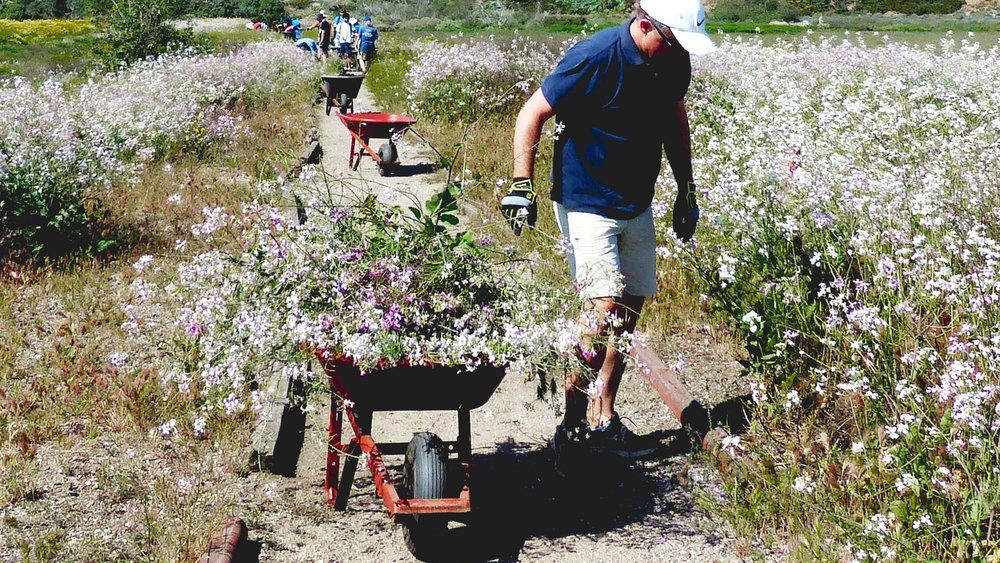
We’ve recently had two consecutive projects in a particularly neglected corner of the sand dunes. Layers and layers of iceplant covered the whole slope, with a sprinkling of other non-natives throughout, including euphorbia terracina, jade plant, and castor bean. During the first of the two projects, Elliot Storey worked independently to reroute irrigation to the site from a previous restoration area, cleaning and testing all the equipment along the way. Elliot then invited his troop to assist in the heavy duty work: clearing the ice plant by hand and carefully raking and sifting the soil to remove years of ice plant detritus and any seeds that were mixed in. If you’ve never pulled ice plant you wouldn’t believe how heavy the plant is and how hard it can be to successfully clear a patch like the one we tackled.


Here’s what the site looked like before Elliot’s project:


P1010196

Next, we worked with Brennan Balson to design a new native plant garden, carefully choosing the plant palette from species native to Ballona and already found in the reserve. Over fifty plants were purchased from Theodore Payne Society and from SEA Lab, consisting of deerweed (lotus), bladderpod, dune buckwheat, and encelia. His troop worked hard to get the plants in the ground as quickly as possible, where they are much happier to be than in a plastic container. The rest of the afternoon was spent putting some final touches on the drip line irrigation system and creating a walkway through the middle of the garden to allow for observation and easy maintenance.


Here’s what the site looked like, minus the iceplant and with 50 natives in the ground:


IMG_0865

Both Elliot and Brennan showed great leadership through out their projects, organizing the troop and their parents into work teams and making sure everyone was busy working on something through out the day, whether it be weeding, watering, adjusting the driplines, or just pulling ice plant. Most important, both scouts demonstrated a deep respect for Ballona, making sure everyone was being safe and always mindful of the wildlife around us – such as the gorgeous garden spider whose web was nearby. Not only was this particular site transformed from an iceplant-dominated monoculture, almost devoid of bugs and insects, to a young but diverse (and once the plants mature, a thriving and resilient) addition to our other successfully restored areas, but we even had a lot of fun in the process. There’s nothing quite like the feeling you get after a warm, sunny day at Ballona spent working to restore the last coastal wetlands in Los Angeles County.


Enjoy the pictures from Brennan’s project below, or click here to see them on our Flickr page here.


IMG_0806
IMG_0812
IMG_0816
IMG_0809

IMG_0817
IMG_0828
IMG_0838
IMG_0843

IMG_0869
IMG_0805

Second Annual “Not Your Grandmother’s Audubon”: Thursday, October 20th, 6:30pm – 9:00pm at The G2 Gallery

On Thursday, October 20, 6:30 pm – 9:00 pm, the G2 Gallery and Audubon together with James Currie, Green Mountain Digital, Renee Thompson and Three Hoots Winery invite you to eat, drink and find out Why Birds Matter at the Second Annual “Not Your Grandmother’s Audubon.” Food, wine and complimentary valet will be provided. A suggested donation of $10 is appreciated and will directly support Audubon. RSVP required to events@theg2gallery.com.

Namibia, Africa: Parallels in Conservation

By Lisa Fimiani


If someone had told me that I’d find all kinds of parallels between the environmental conservation efforts in southern Africa and what we are doing here at the Ballona Wetlands, I’m not sure I would have believed them. But a fifteen day trip to the country of Namibia made me a believer.


My trip started in the capital of Windhoek (pronounced “Vinhoak”), where many of the total population of 2.3 million people live. I was pleased by the signs everywhere encouraging recycling, and found the city to be modern and charming.


Namibia is a land of extremes, and the first leg of our safari took us from the comfort of city accommodations to a quaint guest farm in the Sesriem area at the edge of the Namib Desert, the oldest desert in the world with some of the tallest sand dunes anywhere, more than 300 meters (about 1,000 feet) above sea level.


Everywhere I looked the scenery was breath-taking: the colors and textures of the sand, the sky, the grasses and the plants. All were were rich and starkly defined in the glow of morning light. I felt grounded, as if I was anchored to the most secure land mass in the world, and truth be told, I was. With an overall area of 49,768 km², the Namib-Naukluft is the largest game park in Africa and the fourth largest in the world. The most well-known area of the park, where we were, is Sossusvlei, the main visitor attraction in Namibia.


Namibia itself is the fifth largest country in Africa, as large as the states of Texas and Louisiana combined. Mining of diamonds and semi-precious stones, uranium, fishing, agriculture (livestock and meat products and crop farming), and tourism are the four top industries, in that order, with tourism steadily on the rise. Why? Because the land is so incredibly beautiful. and the Namibian government seems to have realized its greatest asset for long term profitability. I was struck by how many game farms we passed, most of which were turned into tourist destinations, where the only thing pointing at a lion or elephant or zebra would be the lens of a camera.


There were still the others, however – game reserves that had tall fences all around, much taller than the open reserves designated as park land, where hunters paid a steep price for the privilege of killing wild animals. Canned hunts, they were neither condoned nor encouraged by the government, merely tolerated. For the most part, even with the ever-present poaching threats of the largest concentration of Black Rhino in the world, and the other spectacular “big five” game animals (lion, leopard, elephant, rhinoceros, water buffalo), Namibia treats its wildlife like the assets I hoped they would – a surprise to this fresh and naïve tourist from the states visiting the continent of Africa for the first time.


While watching herds of springbok and wildebeest, I thought of the annihilation of the American Buffalo in our country, brought to the edge of extinction without half the care and concern I found evident in Namibia over it’s precious animals, most of which roam freely over and through the country during migration. Not to say there were not issues.


My greatest lesson in conservation was visiting the Cheetah Conservation Fund headquarters outside of Otjiwarongo, 100,000 acres of property run by the non-profit organization as part of the Waterberg Nature Conservancy. I learned about the collaboration with local farmers, who were willing to try using specially trained Anatolian shepherd dogs to guard their cattle, goats and sheep, which would offer the balance necessary for wild cheetahs to live and thrive, feeding on wild game while sharing the same land with the farmers. Of course we found all this out later, but the first thing we saw as we approached the compound were four “ambassadors”, cheetah cubs, being led on a leash for their afternoon walk. One of the walkers turned out to be the organization’s founder, Dr. Laurie Marker.


Nothing prepares you for this of course! How often does one see a cheetah, up close, calmly looking at you? We were invited in to sit with the cheetahs as they smelled us and licked our hands, all the while purring so loudly that we couldn’t help but laugh – partly out of nervousness, which soon subsided as we realized these overgrown cats pose no threat and are feeling right at home among us humans.


Of course this is not the norm! The majority of the cheetahs housed by CCF are being rehabilitated to go back out in the wild, to populate areas where there are too few cheetahs. These four were found when their mother was killed, there was no chance of them being able to make it in the wild on their own. One of the greatest teaching tools Laurie Marker has is the role a captive cheetah plays in affecting audiences with their charm and unique qualities that are exclusive to the cheetah. No wonder the farmers are willing to find ways to coexist with the cheetahs. Education at CCF involves demystifying the stereotypes of cats in general, cheetahs in particular. CCF is also training locals on making goat cheese, which we sampled in abundance during lunch and dinner, and starting another business making bushbloks out of acacia scrub bush that tends to blind cheetahs with its thorns. This scrub brush becomes too thick when the ecosystem is out of balance from lack of browsing and grazing wild animals for cheetah to prey on.


Here were concepts close to my heart – the intricate connections between wildlife and habitat, the delicate balance that can so easily be thrown off, and what we all can do to help bring it back! For the fastest animal on earth, able to reach speeds up to 70 miles per hour, these sleek cats must be able to run unencumbered through habitat that does not put them physically in peril. I really enjoyed getting to know the staff at CCF, the majority of whom were local Namibians trained to implement these new and creative ideas on restoring balance to the ecosystem.


Go to the CCF website for more fascinating information: http://www.cheetah.org/


Etosha National Park was everything I had heard it was, a watering hole which attracted all kinds of animals, day and night. Since the moment we arrived, I’d been excitedly anticipating seeing my first wild elephant ever. When it happened, it felt time had slowed down, like everything was in slow-motion. We hadn’t even settled into our rooms, which were 20 feet away from the viewing area, when I heard someone say, “Here comes an elephant!”


I stood frozen and watched. Two elephants started walking towards the water hole from seemingly out of nowhere. I raised my camera to take pictures and had to pause to remember to start breathing again. My heart felt like it was swelling and filling up my throat with such admiration and awe, tears welling up in my eyes. Someone said something to me, and I found I could not speak. That was my moment. I felt one with these magnificent creatures. Some of my travel companions called it the “wow” moment. There were still many to come.


Damaraland was almost magical. We visited some of the oldest petroglyphs known to man. The site had been declared a UNESCO World Heritage Site, and I was so impressed with the great care our local guides took at instructing us on where to walk and what we could touch and not touch. Almost as incredible as the history of the area was the place we stayed for only one night, regrettably. Camp Kipwe, situated in the heart of the Twyfelfontein Conservancy, was an absolute marvel of architecture, giving one the feeling of being imbedded in rock, invited in by the gecko that greeted us on the side of our unique dome-shaped rooms with an outdoor bathroom and shower. It was pure enchantment.


The last part of the trip was the closest to going on what I imagined to be a true safari, in the oldest sense of the word. We were loaded up into 4×4 safari trucks, quite comfortable by modern standards, and off we went over rocky, hilly terrain that took us through river beds and up steep cliffs. No wonder they had bars to hang onto – this was the best roller-coaster ride I’d ever been on! Again, everywhere you looked the scenery was unbelievable. Our mission one day was to sneak up upon a black rhino and get photos. We soon realized that trying to find a rhino in country that goes on forever, set in the 450,000 hectares (1,700 miles) Palmwag Concession, was going to be like looking for needles in haystacks.


It took great skill and most of one day on the part of our local guides to find where a rhino was, one of only seventeen – ironically, the largest free-ranging population of Black Rhinoceros in Africa. As they say, the thrill of the “hunt” was almost as enjoyable as actually seeing one. Conservation in this camp took on a sense of urgency, since Black Rhinos are so endangered. Go to Wilderness Wildlife Trust and Save the Rhino Trust (SRT) for more information: http://savetherhinotrust.org/


Back in Windhoek, our trip was coming to an end. One of the last adventures we went on happened by chance. We got in to see the local National Museum of Namibia just before closing. There we met one of the Chief Display Officers, Antje Otto, who was delightful, showing us the latest exhibit and telling us about her challenges to keep the museum going. It was there that I saw the exhibit of the Nama rush-huts. So similar to our Tongva Native American “Ki”, except theirs was a traveling home befitting the nomadic life of their tribe, these huts had an uncanny resemblance to a Ki.


Both are made out of lightweight plant material, both made with biodegradable materials, both dome-shaped. It was very interesting to read how they were made. It was fascinating to learn about the different ethnic groups of Namibia, and some of my favorite experiences were with people we met along the way who made our trip so delightful. The Namibian accent was particularly endearing. For example, after I’d thank them for something they would respond by saying, “Pleah-shaah” (pleasure), spoken with a two-tone lilt and a smile that lit up their face from ear to ear.


I came home to Los Angeles with a new appreciation for the country of Namibia, particularly their efforts to conserve their priceless natural resources. It seemed everywhere I went there were programs for local Namibians to get involved in, from water conservation to animal protection. So many of the guides I met spoke of their love for their country. The stunning parade of animals and topographies will certainly last as precious memories throughout my lifetime. I could go on and on, but the following photos will speak for themselves. Needless to say, I was in a birder’s paradise, having identified 128 of the 620 species native to Namibia. My favorite by far is the Crimson-breasted Shrike.


Hopefully these photos will entice you to visit one of the most welcoming countries of the world. I would go back in a heartbeat, after all, there still is the Caprivi Region to see, where water buffalo and hippos roam. Suffice to say, I am content for now with having captured some of the most beautiful creatures on earth. Enjoy!


Click here to see even more photos on our Flickr page.


Ballona Wetlands Coastal Cleanup Day 2011

By Lisa Fimiani
IMG_0032

The weather kept things cool while more than 150 volunteers spread out into the Ballona Wetlands and along the creek to participate in 27th Annual California Coastal Cleanup Day, sponsored by Heal the Bay here in LA County.


IMG_0123

IMG_0019

IMG_0030
IMG_0034

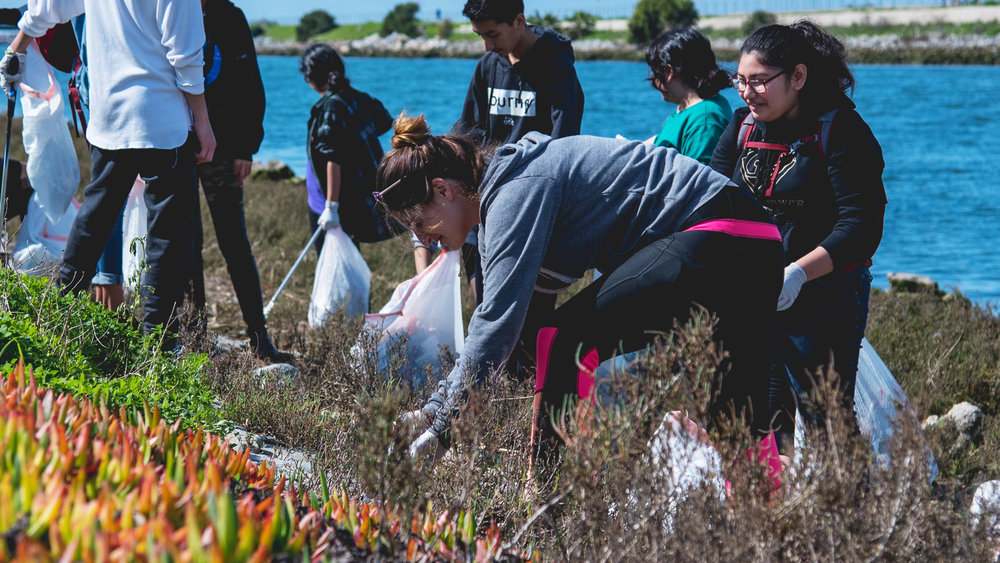
Several schools and family groups came out to try their hand at removing non-native myoporum trees and picking up solid trash along the Ballona Creek. We split our recruits into three teams, and the myoporum removers were first to fill up our dumpster with branches and leaves.


IMG_0143

Buckley teacher and veteran Ballona volunteer Kathy Griffis brought some of her students out, and several new schools joined in. Kids from St. Bernard’s seemed to be having lots of fun pulling plastic and Styrofoam particles from the Creek shore.


IMG_0125

Loyola Marymount University (LMU) Professor Carolyn Viviano came out to “work the Creek” after checking everyone in with staff member Patrick Tyrrell and his sister Anne – who we can always depend upon to help out every year we participate in the cleanup. Courtney McCammon and April Sandifer, students at LMU, led a group pulling out thistle along the dunes trail.


IMG_0043

Christian Alvez welcomed the volunteers after they had coffee and snacks and told them about the North Pacific Gyre growing to two times the size of the state of Texas – one of the reasons we go to the trouble of picking up the solid plastic trash along the Creek.


IMG_0007
IMG_0020

David Weiner from Heal the Bay came out to take photos and participate at our site, it was great meeting him and having a chance to talk about the work we do along the Creek to help keep the bay clean.


IMG_0046

Our friends from The G2 Gallery made a morning of it, travelling in a gaggle up and down the Creek.


IMG_0097
IMG_0118
RBC Check Josh CCD 2011

Board Member John Gregory, our President Catherine Tyrrell and her husband Tom came out to assist, and we were joined by Josh Rosenzweig from Royal Bank of Canada (RBC) to present the Friends with a check for $5,000 as a 2011 Community Action Grant recipient under their RBC Blue Water Project.


IMG_0010
IMG_0048

Veteran Audubon Docents June Walden, Diana Spurlin, Saran Kirschbaum, Joyce Karel were stationed along the Creek supervising volunteers and making sure hazardous objects, such as needles and fish hooks, were disposed of properly. June got stuck with her favorite job – doing dog poo patrol, which she carefully removed and placed in separate bags. It’s still amazing to me that dog owners who leave their dog poo behind along the Creek Path don’t make the connection that it eventually ends up in the Creek and the Ocean – contributing to the high levels of unhealthy fecal matter in the water!


IMG_0053
IMG_0057

IMG_0109

Despite that, some of the Audubon Docents pointed out some marine creatures we had never seen so close to shore, two sea hares were seen close to shore, and we marveled at how they moved in the water.


IMG_0130
IMG_0140

Getting back to the land, Friends’ Docents Kathy Griffis, Bruce Shelden and Bryce Smith assisted with myoporum and grass removal.

IMG_0086
IMG_0116

Even little ones – under close supervision from their parents and wearing protective gloves, were helping remove non-native grasses and trash on the Creek.


IMG_0106
IMG_0016
IMG_0079

What we all commented on was the unusually high volume of itsy bitsy pieces of Styrofoam lining the Creek side between Pacific Avenue Bridge and about half way to the Lincoln Boulevard overpass. It made the job of picking up the small pieces of trash very tedious and frustrating because there was so much of it. We pondered why there was so much this year – more than I’ve ever seen it in years.


IMG_0082
IMG_0096

There are always unusual items found along the Creek, this year we found a tiny bottle with barnacles on it and a retired police ID badge.


IMG_0087

REI, the outdoor sporting goods store, had a fleet of kayaks out cleaning up trash on the other side of the Creek, along the Jetty. Some of their volunteers came over to add to our growing pile of trash, and land volunteers came over to join in with our group.


IMG_0114
IMG_0089
IMG_0091
IMG_0148

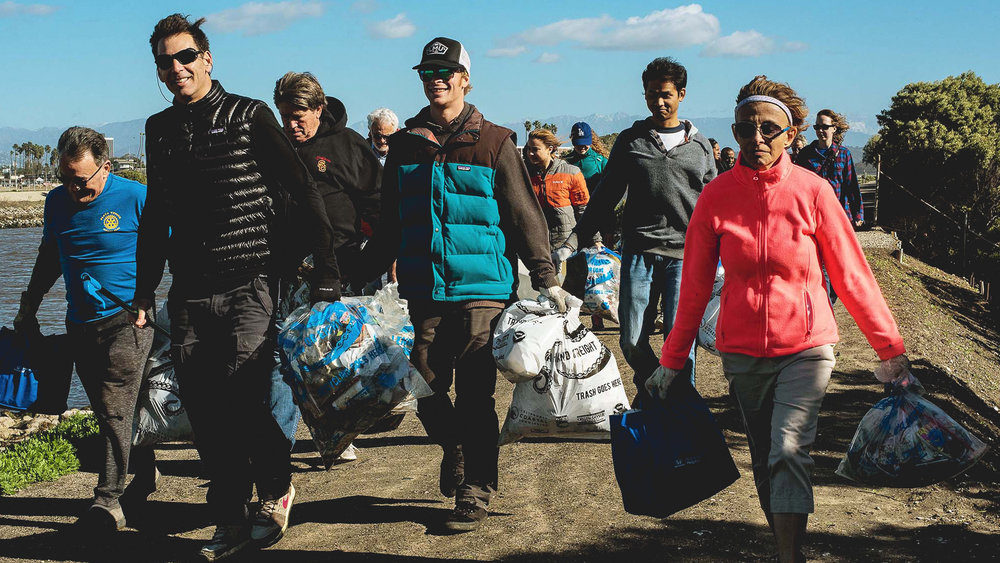
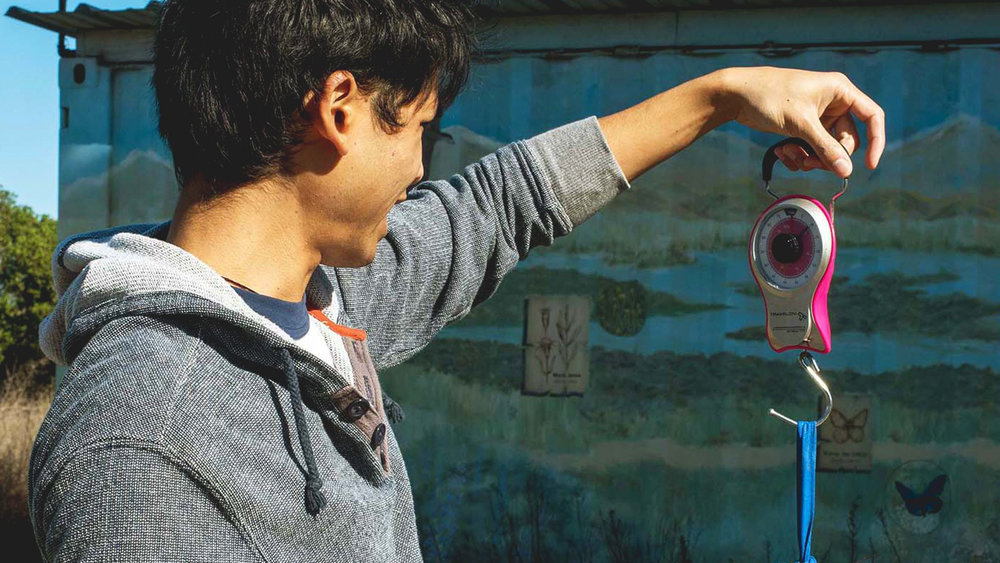
All in all we collected close to 75 bags of trash and cleared out a patch of myoporum that will now allow for native plants to creep in next spring from the restored meadow we are bringing back to life.


Speaking of life, as some of us were leaving I noticed something running across the path to the entrance gate. I just thought it was an insect, but to my amazement I realized it was the tiniest Western Fence Lizard that I had ever seen! We looked at it in amazement, at how small it was wrapped around my finger, and then I let it go in the grass. Great way to end the day’s event – a symbol of why we restore habitat, so little critters like the lizards can thrive.


Fence Lizard in Hand
Baby Fence Lizard Closeup
Fence Lizard Macro

The Friends is so grateful to all the volunteers who came out to participate. A special thank you to Mia the owner of Café Milan for a fresh pot of coffee, and for Whole Foods donating snacks. And a huge thank you to Jim Burton from EcoKai Environmental Inc. for covering the remaining costs of feeding our hard-working volunteers. At least our volunteers didn’t walk away hungry!


IMG_0003
IMG_0044
IMG_0045
IMG_0068
IMG_0070
IMG_0074
IMG_0076
IMG_0081
IMG_0091
IMG_0099
IMG_0100
IMG_0104
IMG_0146